
While it’s one of the most crowded beaches in peak summer, winter brings a strangely different charm.
When it comes to beach travel, most people think of sun-soaked summer days, turquoise waters, white sandy shores, and bustling crowds. However, few realize that visiting the beach can also be a worthwhile option for a cold-season getaway.
Recently, a traveler shared on their personal page that during a trip in late December, they visited a northern Vietnam beach — Cat Ba. After the trip, the traveler commented, “It felt just like Europe,” thanks to the peaceful atmosphere, the noticeable absence of summer crowds, and the surprisingly large number of foreign visitors.
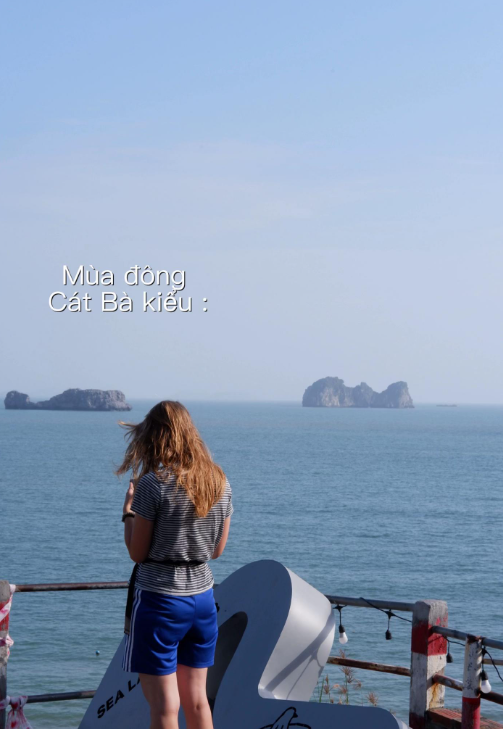
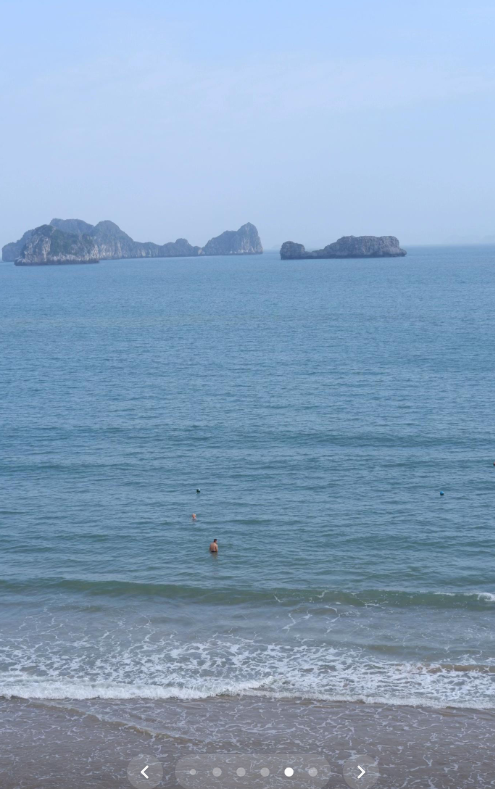
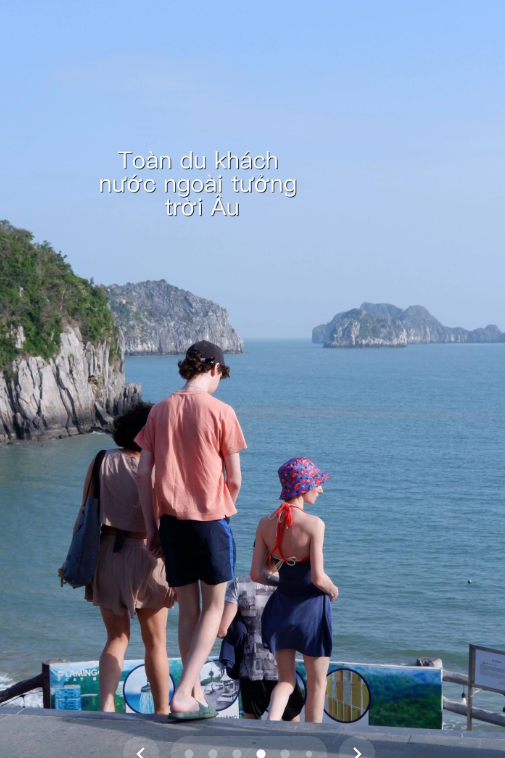
The images were captured by the traveler during the trip.
From around December to the end of February, Cat Ba enters its winter season, with temperatures typically ranging from 14 to 22°C. The weather is cool and dry with little rainfall, and light morning mist occasionally appears— a characteristic feature of northern coastal areas influenced by the northeast monsoon.
Unlike the hot, lively summer season, the sea in Cat Ba during winter is usually much calmer, with gentle waves and fresh, clean air. However, the cold water makes swimming or coral diving less ideal. Familiar beaches such as Cat Co 1, Cat Co 2, and Cat Co 3 are mainly enjoyed for strolling, sightseeing, and photography rather than swimming at this time of year.
In return, winter is a beautiful time to see Cat Ba in a “different version” — quieter, misty, and slightly wild. Lan Ha Bay in the early morning, with a thin layer of mist drifting over its limestone karsts, creates a soft and serene scene that is especially appealing to travelers who love photography and nature.
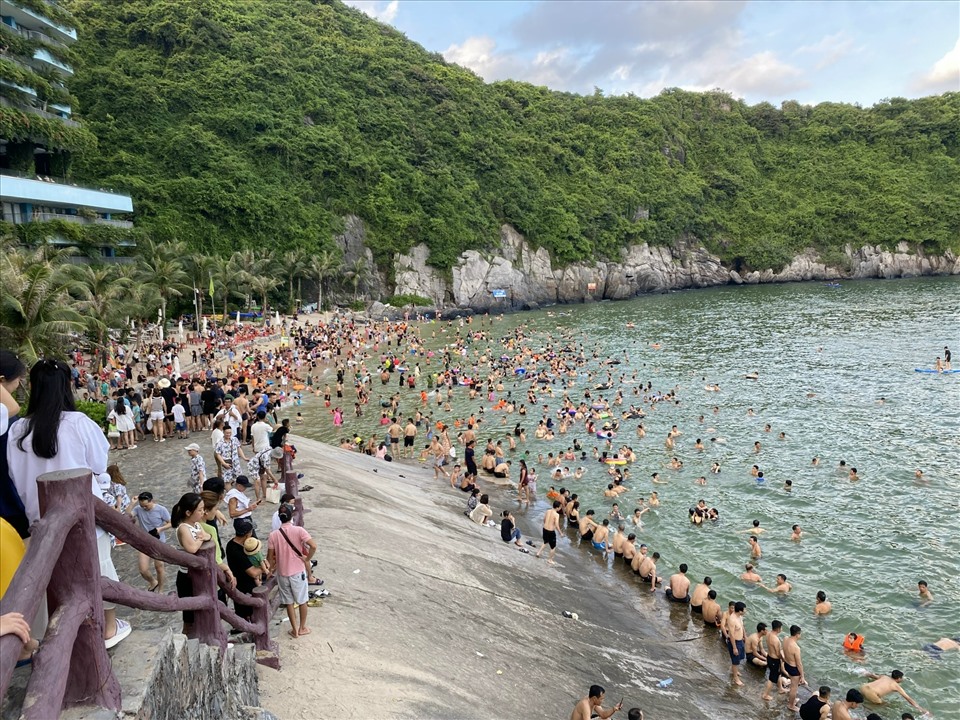
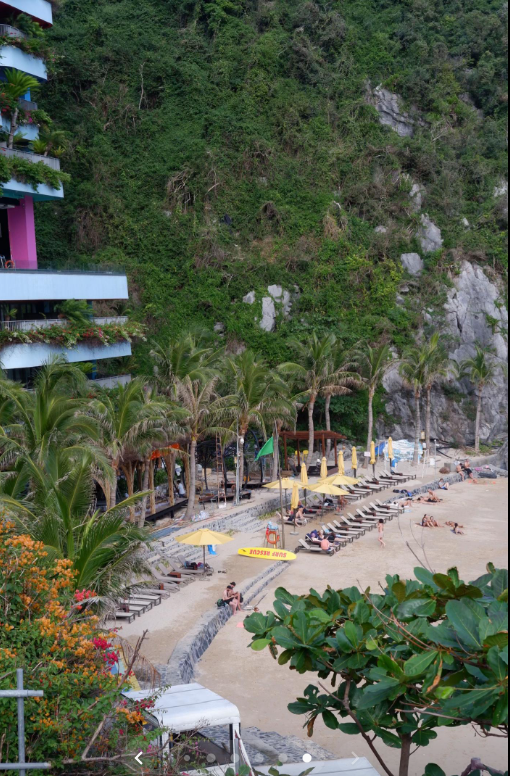
(Photo: Lao Dong Newspaper, CB in my hearts)
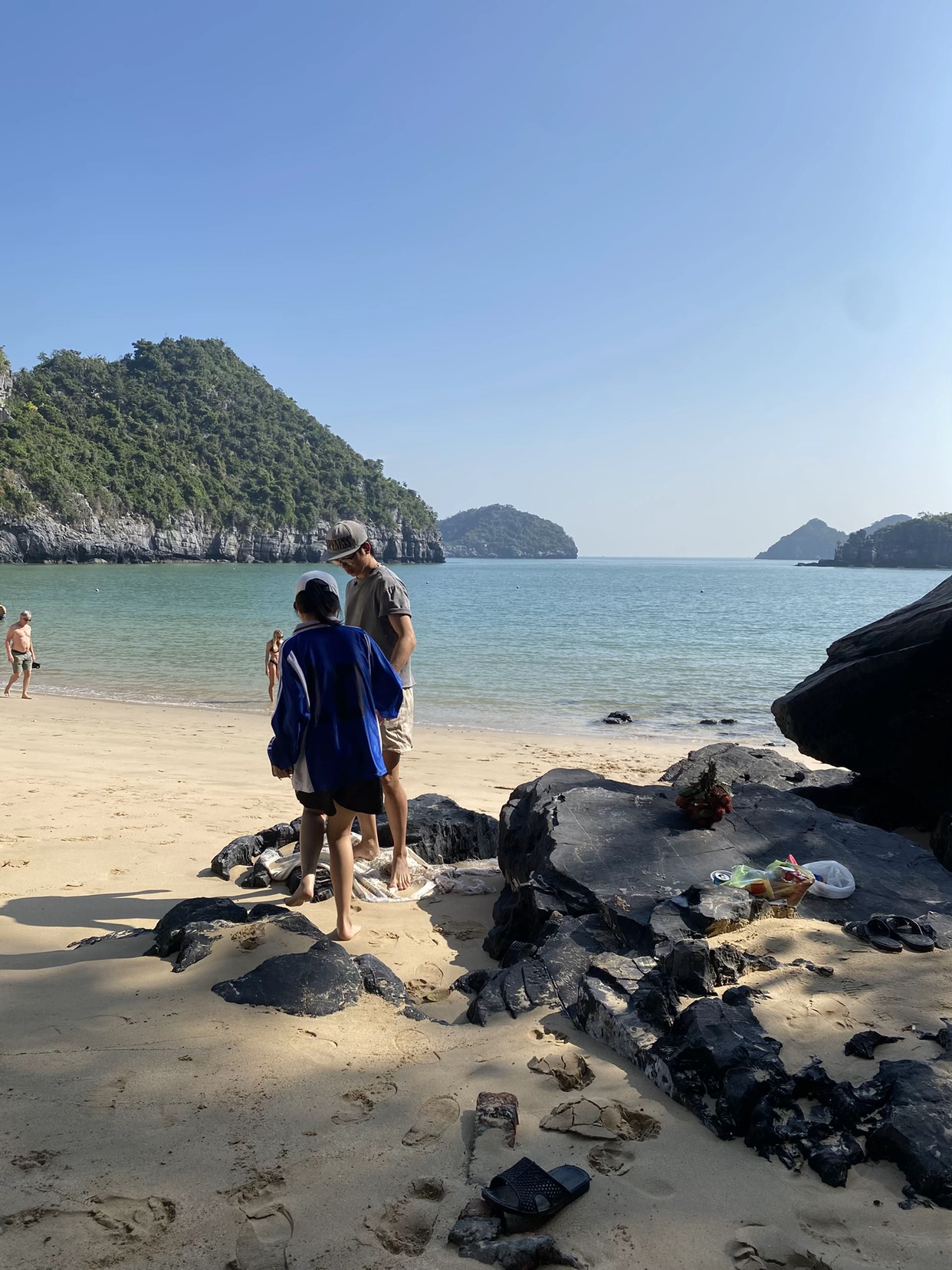
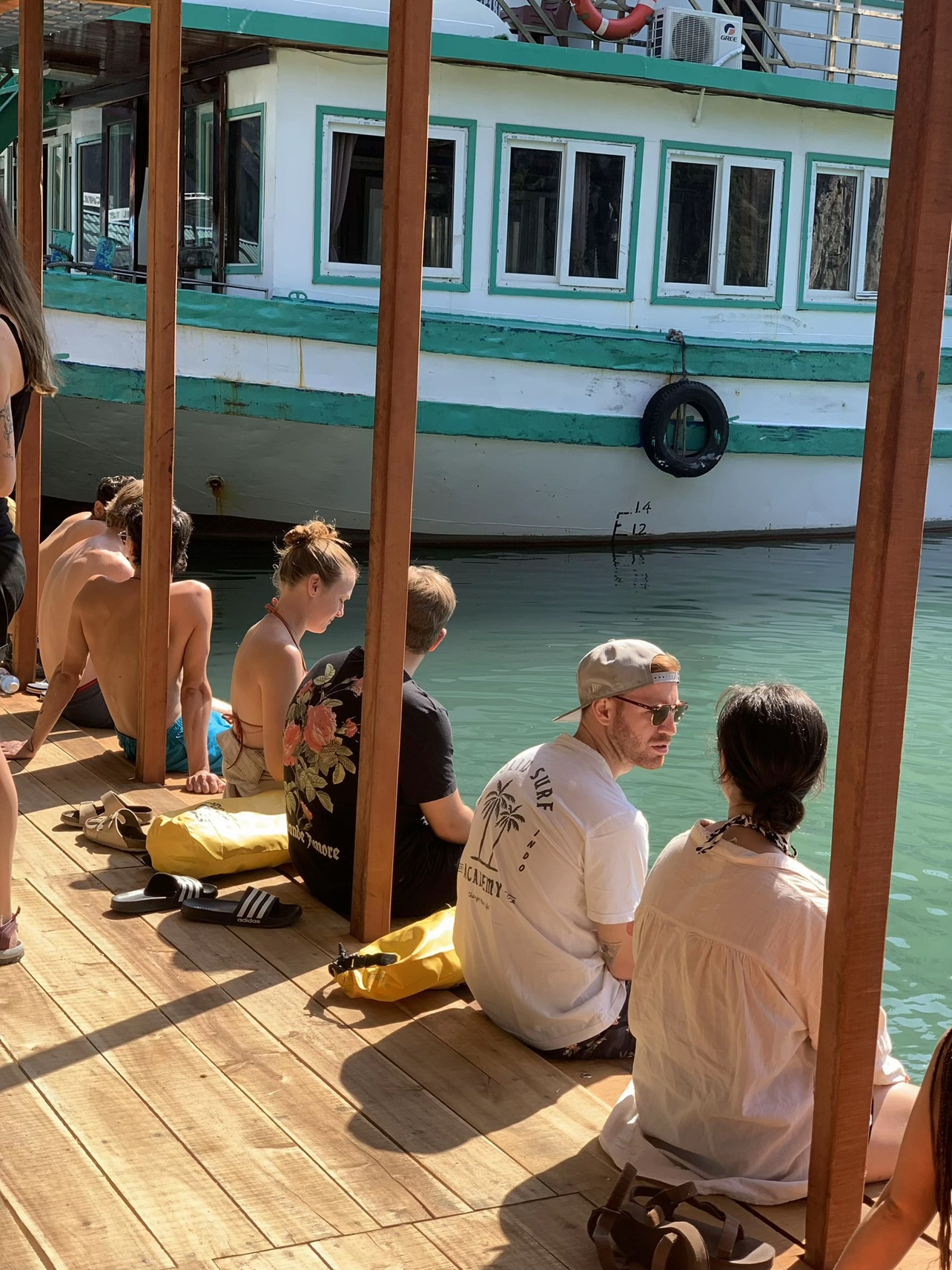
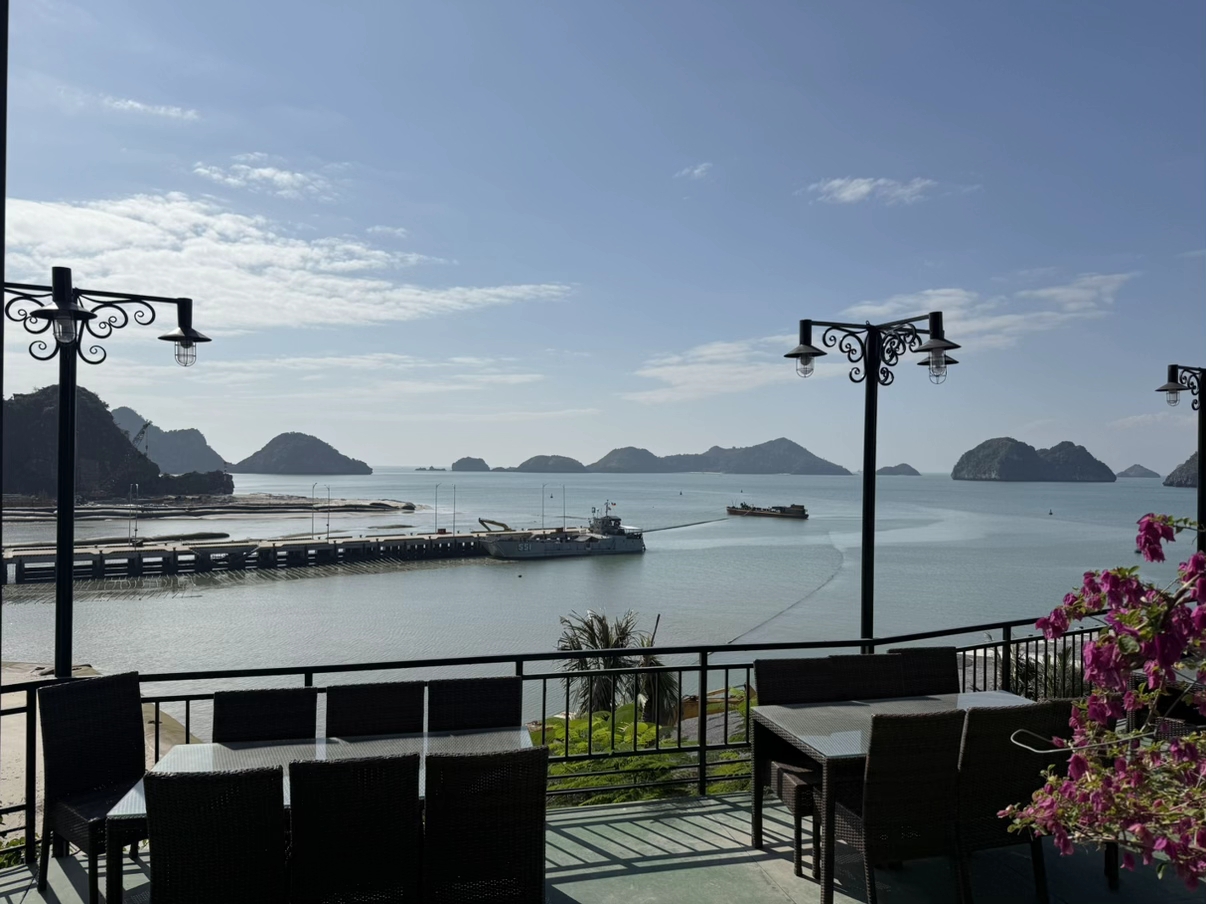
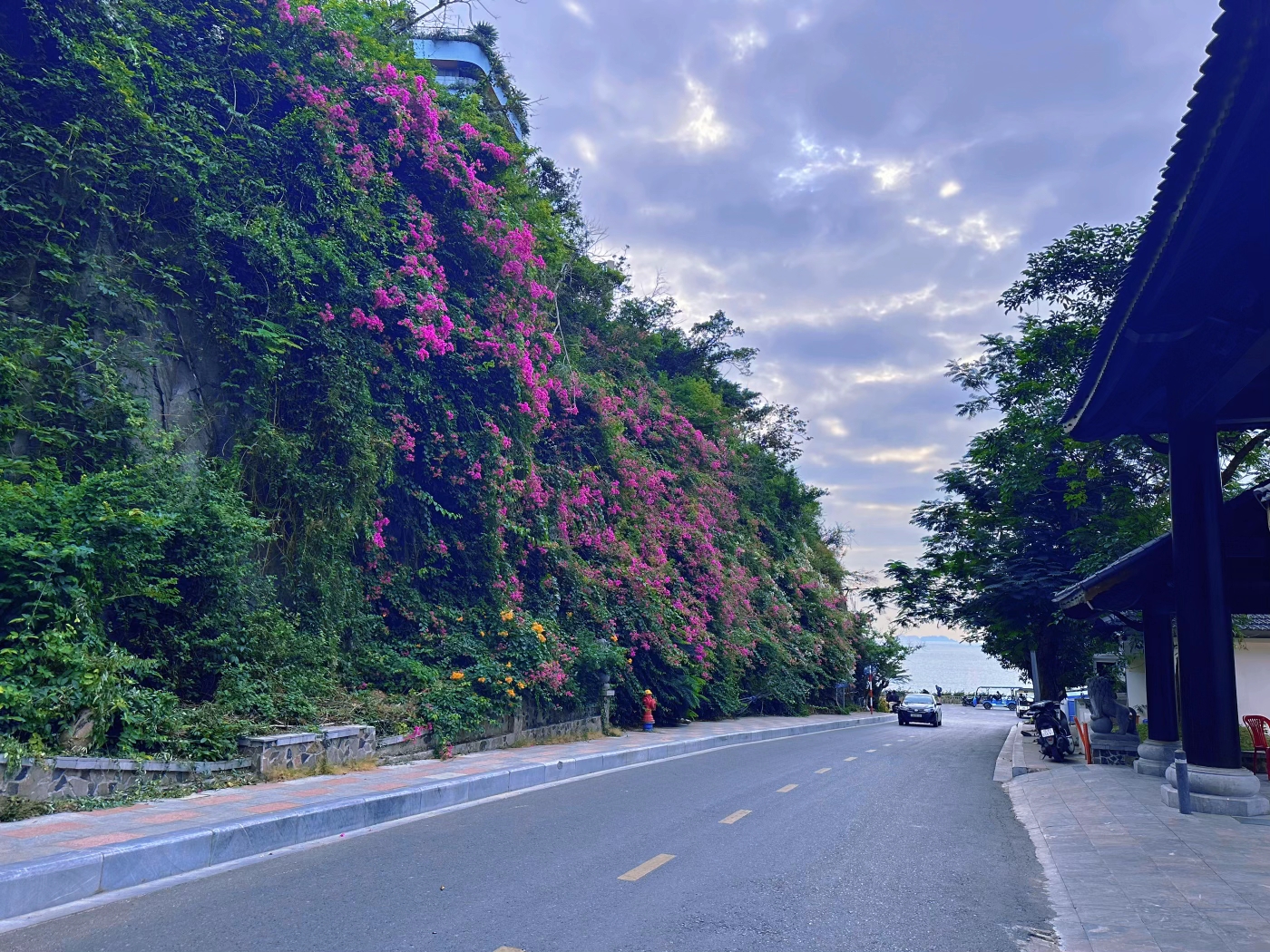
Some images captured by other travelers during winter trips to Cat Ba show a much quieter atmosphere compared to summer, with visitors mainly being foreign tourists.
(Photo: Collected)
What can you experience in Cat Ba during winter?
If you plan to visit Cat Ba in winter, it’s important to adjust your expectations. This is not a trip for lively beach activities, but one that is better suited to a slower pace of travel.
Recommended activities include exploring Lan Ha Bay by boat or day cruise, kayaking in sheltered areas, trekking in Cat Ba National Park, or simply relaxing—reading a book and enjoying the sea in a peaceful setting. The cool weather makes walking, hiking, and visiting fishing villages far more comfortable than in summer.
By contrast, swimming, diving, and other water activities are not suitable due to low water temperatures and cold winds. Visitors should also prepare a windproof jacket and warm accessories, and keep an eye on the weather forecast if planning to take small boats into the bay on foggy days.


On the plus side, winter is Cat Ba’s low tourism season. Accommodation rates and tour prices are generally more affordable, and the island feels more open and less crowded—something many travelers consider a major advantage.
Northern Vietnam beaches ideal for winter travel if you prefer peace and quiet
Cat Ba is not the only option for those looking to experience northern Vietnam’s beaches in winter. In Do Son, the sea in the final months of the year takes on a muted gray tone, with chilly winds but easy access—making it suitable for short trips from Hanoi, combining seaside strolls with seafood dining.
Farther north, Tra Co presents a completely different character. Its long, wide, and unspoiled beach, combined with strong winds and powerful waves, makes it unsuitable for water activities, but creates a dramatic, majestic setting that appeals to those who enjoy photography and leisurely walks in vast, open spaces.
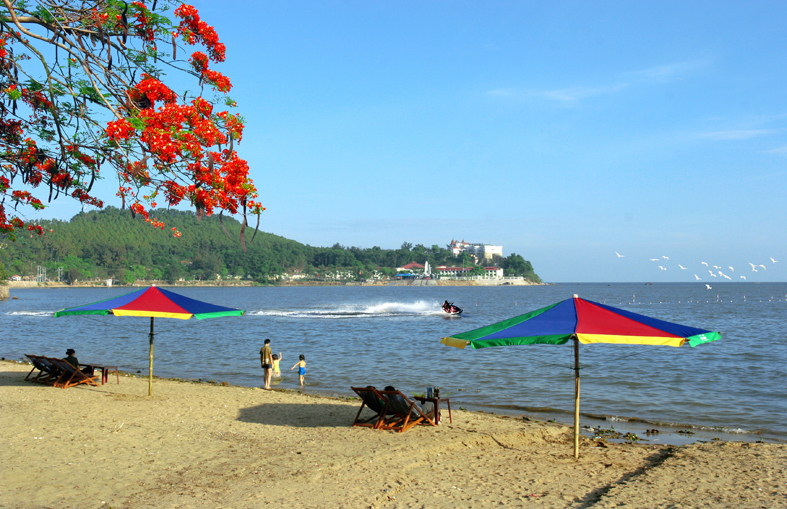
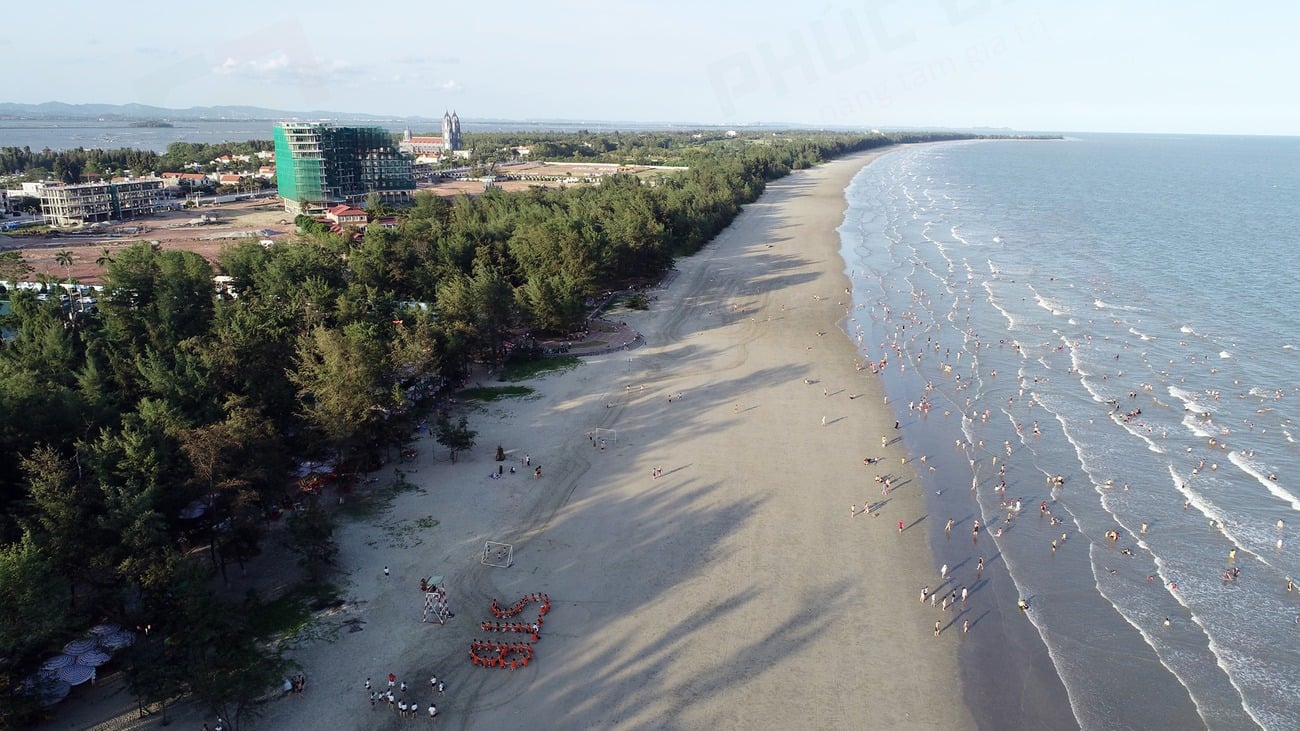
(Photo: Vietnam National Administration of Tourism)ch Quốc gia Việt Nam
Meanwhile, Quan Lan and the Bai Chay–Ha Long area are also worth considering for travelers looking to avoid crowds. In winter, these islands and beaches become quiet and peaceful, making them ideal for gentle relaxation, bay cruises, and enjoying the coastal atmosphere at a slower pace.
If the goal is truly to swim in the sea, travelers usually need to head south, where the climate is more stable and sea temperatures remain comfortable. In Vietnam, destinations such as Phu Quoc, Nha Trang, and the South Central Coast still enjoy warm weather, plenty of sunshine, and little rainfall from late in the year to early the following year.
This period is ideal for swimming, snorkeling, and taking part in water activities—completely contrasting with the cool air and cold sea temperatures in northern Vietnam.
It is precisely this difference that leads many travelers to “change direction” during winter: those seeking beach trips for swimming head south, while those who want to enjoy tranquility and the contemplative beauty of the sea find northern Vietnam offers a very distinctive experience.
According to Doi Song & Phap Luat.